
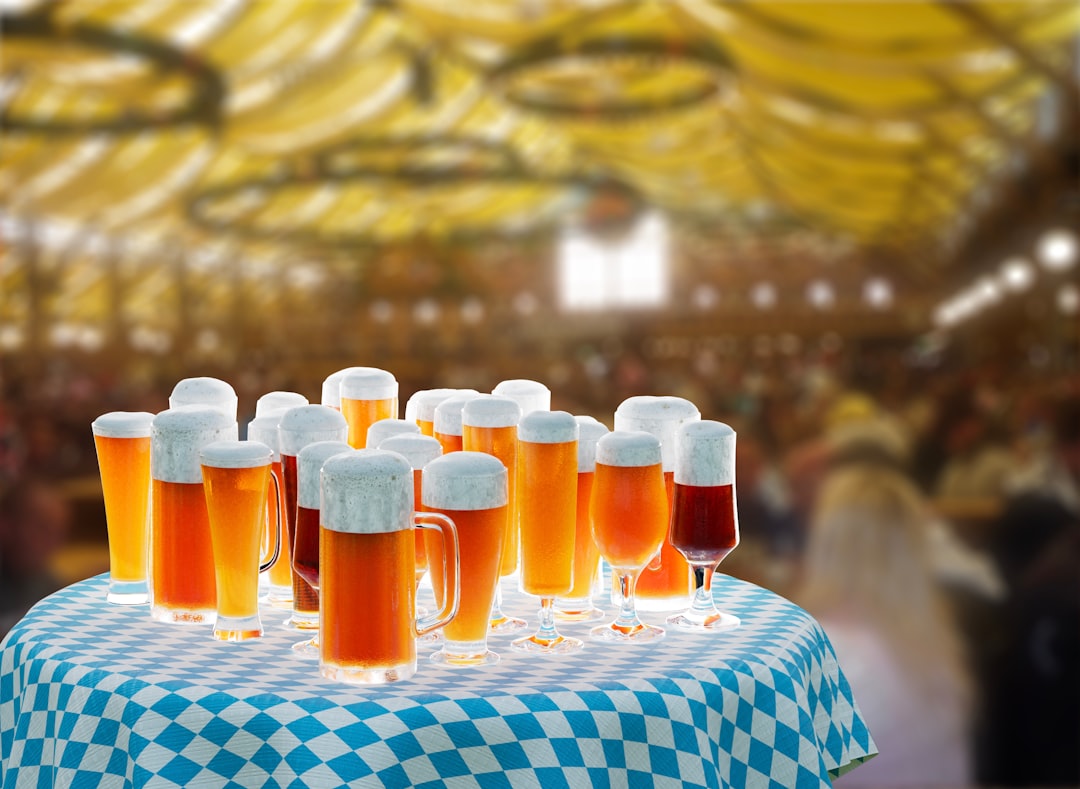
Beer tasting events are one of the best ways for craft beer fans to discover new brews, sharpen their palates, and enjoy a social night out centered on quality beer. Hosts and organizers who want an event that feels both approachable and curated should balance thoughtful beer selection, clear presentation, and a relaxed atmosphere. For many attendees—especially those who shop at retailers like Beer Republic—tastings provide a direct path to exploring top-rated American and Canadian ales, lagers, stouts, and IPAs without committing to a whole six-pack.
Why Beer Tasting Events Matter
Beer tasting events offer more than free samples. They educate, build community, and turn casual drinkers into informed fans. Attendees learn how to evaluate beers by appearance, aroma, and flavor, while brewers and retailers use tastings to showcase new releases, limited runs, and regional specialties.
- Education: Guided tastings teach commonly used beer vocabulary—like malt backbone or hop bite—so attendees can describe what they like and ask smarter questions.
- Discovery: Theme nights and curated flights prompt people to try styles they'd normally skip, from sour-aged saisons to high-ABV barrel-aged stouts.
- Community: Tastings bring people together—fans compare notes, brewers get direct feedback, and hosts build repeat audiences.
Types of Beer Tasting Events
Different formats suit different goals and audiences. A well-chosen format keeps attendees engaged and sets appropriate expectations.
Guided Professional Tastings
Led by a brewer, beer sommelier, or experienced host, these tastings are educational and structured. A typical guided tasting will include 4–6 samples with in-depth discussion about brewing techniques, yeast strains, and historical context.
Casual Flight Nights
Casual flight nights focus on approachable exploration. Hosts present flights of 4–6 beers—often grouped by style or theme—and attendees compare flavors informally. This format works well in bars, taprooms, and private home gatherings.
Vertical and Horizontal Tastings
- Vertical tasting: Sampling the same beer from different vintages or barrel conditions to see how aging affects flavor.
- Horizontal tasting: Sampling several beers from the same release year but different expressions—like a brewery’s single-hop IPA series.
Blind Tastings and Competitions
Blind tastings remove branding so attendees judge strictly on flavor. Competitions add a playful edge and encourage careful sensory evaluation.
Virtual Tastings
Remote tastings have become popular—hosts ship kits and run a guided session by video. This format expands the audience and can include participants across cities or countries, as long as shipping logistics are handled.
How to Plan a Successful Beer Tasting Event
Planning an event that’s both memorable and smooth requires attention to logistics, beer selection, and flow. The following steps give a practical blueprint.
- Define the Goal and Audience. Is the event educational, promotional, or social? An audience of craft-savvy fans wants different beers than newcomers seeking an approachable night out.
- Choose a Format and Length. Aim for 60–90 minutes for guided tastings with 4–6 pours. Casual nights can run longer with rotating flights.
- Select a Venue. Taprooms, community halls, breweries, and private homes all work. Consider acoustics, seating, and temperature control for beer storage.
- Curate the Beer List. Start with a unifying theme, then pick beers that offer contrast and progression. A good tasting tells a story through its lineup.
- Arrange Glassware and Serving Supplies. Use tulip glasses for aromatics, snifters for big stouts, and weizen for wheat beers. If glassware isn’t feasible, clear, disposable Riedel-style cups are an acceptable alternative.
- Plan Food Pairings and Palate Cleansers. Small plates or simple snacks keep people comfortable and enhance the tasting experience. Avoid overly spiced dishes that mask beer flavors.
- Prepare Tasting Materials. Provide tasting sheets, scorecards, or an app with beer details and space for notes.
- Legal and Safety Considerations. Confirm local liquor license rules, ID checks, and consider transportation options for attendees who may need rides home.
Practical Serving Details
- Pour size: 3–4 ounces per sample is standard for tastings—enough to evaluate without causing overconsumption.
- Sequence: Serve from lightest to heaviest, lower ABV to higher ABV, and less bitter to more bitter. This protects the palate.
- Temperature: Serve lagers colder (38–45°F) and ales slightly warmer (45–55°F). Very cold temperatures mute aromas; very warm can accentuate alcohol.
Choosing and Sourcing Beer
Careful beer selection is the backbone of a standout tasting. Thoughtful curation highlights contrasts, showcases craftsmanship, and introduces attendees to new favorites.
Build a Narrative
Great tastings tell a story: seasonal evolution, regional exploration, or brewing techniques. For example, a “North American Hop Tour” could include a West Coast IPA, a New England hazy IPA, a Canadian dry-hopped lager, and an experimental hop-forward amber ale.
Balance Familiar with Novel
Including a couple of well-known styles helps guide less experienced tasters, while a few unique or rare beers keep the event exciting. Retailers like Beer Republic can supply both classic and hard-to-find options—making it easier for organizers to curate a balanced flight without juggling multiple vendors.
Consider Limited Releases and Collaborations
Limited releases, collaboration brews, and small-batch barrel-aged beers create a sense of exclusivity. If the budget allows, adding one special bottle to the lineup can turn a good event into a memorable one.
Designing Tasting Sheets and Evaluation Tools
Tasting sheets help attendees stay focused and learn a consistent vocabulary. They can be as simple or as detailed as the audience expects.
Essential Elements of a Tasting Sheet
- Beer name and brewery
- Style and ABV
- Appearance (color, clarity, head)
- Aroma (hop notes, malt, esters)
- Taste (sweetness, bitterness, balance)
- Mouthfeel (body, carbonation)
- Finish (length, aftertaste)
- Score or preference
- Space for notes (memorable descriptors, food pairing ideas)
For a guided tasting, hosts can add short educational blurbs about ingredients or the brewing process that shaped each beer.
Running the Tasting: Presentation and Sensory Evaluation
How a beer is presented influences perception. Hosts who emphasize sensory engagement help attendees get more from each pour.
Show, Don't Just Tell
When introducing a beer, mention what to look for and smell: “Notice the citrus and resinous pine in the aroma,” or “This one shows a mahogany color from the roasted malts.” A small demonstration—like pointing out foam retention or wet-hop aroma—can be illuminating.
Sensory Steps
- Look: Observe color, clarity, and head retention. Appearance often hints at the malt bill and filtration.
- Smell: Give two short sniffs, then a longer inhalation. Aromas reveal hops, malt, yeast character, and adjuncts like coffee or vanilla.
- Taste: Take a modest sip and let it coat the mouth. Identify sweetness, bitterness, acidity, and specific flavor notes.
- Consider Mouthfeel: Note body and carbonation—these affect how flavors are perceived.
- Finish: Evaluate aftertaste length and balance. Some beers linger with warmth, others end clean and crisp.
Common Off-Flavors to Recognize
- DMS (dimethyl sulfide) — cooked corn aroma; indicates underboiled wort or storage issues
- Oxidation — cardboard or sherry notes; usually from age or poor packaging
- Acetaldehyde — green apple; often a result of incomplete fermentation
- Diacetyl — buttery/butterscotch; sometimes desirable in specific styles but off when unexpected
Food Pairings and Menu Ideas
Pairing beer with food elevates both. Unlike wine, beer’s diverse styles give more flexibility with fatty, spicy, and umami-rich foods.
Classic Pairings
- IPA: Spicy dishes, strong cheeses, and fried foods (hops cut through fat and spice)
- Stout: Chocolate desserts, smoked meats, and oysters (roasted malt complements richness)
- Saison: Herb-forward dishes, goat cheese, and light seafood (effervescence refreshes the palate)
- Lager: Grilled chicken, sushi, and salty snacks (clean finish balances delicate flavors)
Snack and Small-Plate Ideas
- Soft pretzel bites with mustard
- Spicy Korean-style wings or cauliflower bites
- Charcuterie board with aged cheddar, smoked salami, and pickles
- Dark chocolate squares for dessert stouts
Atmosphere, Themes, and Music
The setting sets the tone. A well-chosen playlist and cohesive theme help attendees relax and focus on tasting.
- Themes: “Local Breweries Night,” “Hop Forward,” “Barrel-Aged Desserts,” or “Coast-to-Coast Craft” provide natural structure for beer selection and marketing.
- Music: Keep volume low. Background playlists should complement the event—jazz, low-key indie, or instrumental folk often work well.
- Lighting and Seating: Comfortable, conversational seating encourages discussion. Bright lighting for educational tastings; dimmer, relaxed lighting for casual nights.
Ticketing, Pricing, and Promotion
Pricing strategy reflects the beer selection, guest expertise, and venue costs. Effective promotion fills seats and creates anticipation.
Pricing Tips
- Include a soft drink or small food item in the ticket price to enhance perceived value.
- Offer tiered tickets—standard for tasting only, VIP for a special bottle or meet-and-greet with the brewer.
- Plan for a break-even point and aim for 10–20% profit margin if the event is a revenue source.
Promotion Channels
- Social media: use short clips of beer pouring, brewer shoutouts, and behind-the-scenes photos.
- Email newsletters: target customers who previously purchased similar styles—retailers like Beer Republic can include tasting announcements linked to featured beer collections.
- Partnerships: team up with a local brewery, specialty food shop, or community group to cross-promote.
Legal, Safety, and Accessibility Considerations
Responsible hosting protects attendees and organizers. Planning for safety ensures compliance and a comfortable environment for everyone.
- ID checks: Verify legal drinking age at the door.
- Permits and licenses: Confirm venue liability coverage, and any temporary alcohol permit requirements in the jurisdiction.
- Transportation: Provide taxi references, ride-share codes, or partner with local shuttle services.
- Non-alcoholic options: Offer NA beers and water for designated drivers and abstainers.
- Accessibility: Ensure physical accessibility and clear signage for restrooms and exits.
Virtual Tastings: Kit Contents and Best Practices
Virtual tastings pack the tactile experience into a box and extend reach. Well-designed kits and clear communication are critical.
Kit Essentials
- 4–6 sample bottles or cans with labels and tasting order
- Small pours pre-measured or instructions for measurement
- Tasting sheet, pairing suggestions, and a schedule
- Branded items: coasters, stickers, or a simple tasting glass
Retailers that specialize in craft beer, like Beer Republic, can assemble curated kits and ship them reliably. Fast shipping matters: participants appreciate receiving kits at least 3–5 days before the event.
Running the Session
- Use a reliable video platform and test audio/video in advance.
- Keep presentations short and interactive—rotate between guided commentary and group discussion.
- Encourage camera use for higher engagement, but allow listening-only attendance.
Measuring Success and Building a Following
Feedback closes the loop and helps hosts improve future events. Data collection also builds a marketing asset for repeat customers.
- Surveys: Ask attendees about favorite beers, willingness to recommend, and improvements.
- Social proof: Encourage attendees to tag photos and share their tasting notes using a dedicated hashtag.
- Repeat incentives: Offer early access or discounts to attendees for the next tasting.
Monetization and Partnerships
Beyond ticket sales, tastings can generate revenue and brand lift through multiple streams:
- Merchandise: Sell branded glassware, stickers, and shirts.
- Bottle sales: Allow attendees to purchase beers after the event—special discounts drive on-the-spot buys.
- Brewery sponsorships: Co-host with breweries for exclusives and sponsored pours.
Real-Life Examples and Sample Tasting Menus
Concrete examples help organizers picture the possibilities. Here are sample menus for different audiences.
Beginner-Friendly Flight
- Crisp American Lager (clean, low bitterness)
- Hazy New England IPA (juicy, fruit-forward)
- Amber Ale (caramel malts, balanced)
- Milk Stout (smooth, chocolate notes)
Hop Fanatics Night
- Single-Hop Pale Ale (Citra)
- West Coast IPA (pine, citrus)
- NEIPA (hazy, juicy)
- Double IPA/Imperial (intense hop aroma, resinous)
Barrel-Aged Dessert Pairing
- Bourbon Barrel-Aged Stout paired with dark chocolate mousse
- Port Barrel-Aged Barleywine paired with blue cheese
- Barrel-Fermented Sour paired with fruit tart
These menus can be sourced from a single reliable supplier. For hosts who want convenience, Beer Republic offers curated collections and fast shipping across the USA and Canada—helpful for assembling themed flights without calling numerous distributors.
Tips from Brewers and Sommeliers
Industry pros emphasize clarity and repetition: keep the message simple and reinforce it.
- Smaller Sips: Brewers recommend smaller initial sips to capture aroma before the flavors intensify.
- Neutral Palate: Plain crackers and water are the best palate cleansers—avoid mint or strong flavors.
- Talk to Brewers: When possible, invite a brewer to share story and technique—firsthand insights make an event memorable.
"A tasting should spark curiosity. It’s less about getting every note right and more about helping people find beers they’ll come back for." — Local brewmaster
Common Mistakes to Avoid
- Too Many Beers: More isn’t always better—overloading attendees dilutes focus and can create palate fatigue.
- Poor Sequence: Serving a heavy imperial before light lagers skews perceptions and ruins contrast.
- No Context: Listing beer names without some background removes educational value—attendees appreciate a story.
- Neglecting Non-Drinkers: No- and low-ABV options make tastings inclusive and safe.
How Beer Republic Can Help Organizers
Retail partners that understand craft beer logistics make planning easier. Beer Republic combines a deep catalog of American and Canadian craft beers with fast, reliable shipping—useful for organizers who need curated selections or last-minute substitutions. Their collections can spark theme ideas (like regional showcases or hop-forward samplers) and save time sourcing individual bottles. For virtual tastings, Beer Republic’s shipping network helps ensure kits arrive on schedule, and their product descriptions provide useful tasting notes organizers can adapt for event materials.
Final Checklist for Hosts
- Define event goal, audience, and ticket price
- Choose 4–6 beers with a clear tasting narrative
- Confirm venue, permits, and ID procedures
- Secure glassware, tasting sheets, and palate cleansers
- Plan food pairings and accessibility needs
- Promote across email, social, and local partners
- Collect feedback and follow up with attendees
Frequently Asked Questions
How many beers should be included in a standard tasting flight?
Standard guided tastings usually include 4–6 beers. This range offers sufficient variety without causing palate fatigue, and allows time for discussion and notes. Casual events can offer rotating flights throughout the evening.
What’s the ideal pour size for tasting samples?
About 3–4 ounces per sample is common. That amount lets attendees evaluate appearance, aroma, and flavor without consuming too much alcohol. For high-ABV beers, consider smaller pours (1–2 ounces) to keep the session balanced.
How should beers be sequenced during a tasting?
Sequence beers from light to heavy, low bitterness to high bitterness, and lower ABV to higher ABV. This approach protects the palate and preserves the nuances of more delicate styles.
Can virtual tastings be as engaging as in-person events?
Yes—if they’re well-planned. Success depends on timely delivery of kits, clear communication of the tasting order, a reliable video platform, and an interactive host who invites questions and encourages sharing. Small group sizes often lead to better engagement.
How can organizers source unique beers without contacting multiple distributors?
Specialty retailers with wide selections and fast shipping streamline sourcing. For example, Beer Republic stocks a broad range of American and Canadian craft beers and offers themed collections that make it easier to assemble coherent tasting flights.
Conclusion
Well-executed beer tasting events educate, entertain, and build lasting connections between drinkers and breweries. Whether organizers aim to run a focused educational session, a casual flight night, or a virtual tasting across borders, the keys are thoughtful beer selection, clear presentation, and attention to attendee comfort and safety. Retail partners like Beer Republic simplify sourcing and logistics, letting hosts focus on storytelling and sensory discovery. With a clear plan, a good tasting sheet, and a balanced lineup, beer tasting events become experiences attendees talk about—and return to—again and again.